Who is liable if a cleaning company damages your home
By Kai Ellis · Updated 2026-06-20
This is general information, not legal advice; a specific dispute may depend on the details of your contract and South Carolina law, and an attorney or small claims court is the right resource for anything beyond a straightforward claim.
Property damage during a cleaning visit is rare, but it does happen, a knocked-over lamp, a scratched hardwood floor from equipment dragged across it, a broken picture frame moved during dusting. What happens next depends heavily on what was in place before the crew ever walked in.
Insurance is the deciding factor
A legitimate cleaning company should carry general liability insurance, which covers property damage or injury that happens during the course of their work. If a company has this coverage, a documented case of damage is usually a straightforward claim process: you report it, they file with their insurer, and the insurer covers repair or replacement up to the policy limit. Companies without this coverage put the entire cost of a mistake back on you, with little practical way to collect if the business is small, informal, or unresponsive.
| Situation | Who typically pays |
|---|---|
| Insured company causes damage, reported promptly | Company’s liability insurance |
| Uninsured company causes damage | Often falls back on you unless you pursue a claim directly |
| Damage from a pre-existing issue (old floor wear, prior cracks) | Neither; not caused by the visit |
| Damage disputed with no documentation | Harder to resolve either way |
What to do the moment you notice damage
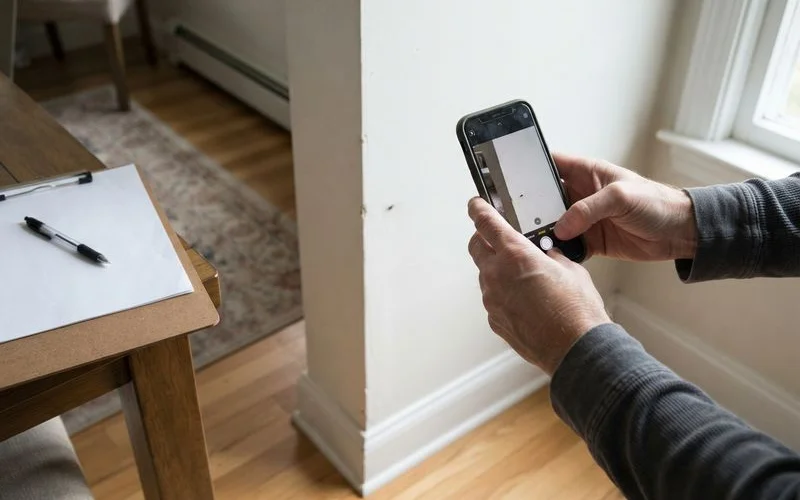
Photograph it immediately, before touching anything, and note the date and approximate time the crew was in that room. Contact the company the same day if possible. A prompt report is far easier for an insurer to connect to a specific visit than a claim filed weeks later, when other explanations become harder to rule out.
Keep the conversation in writing where you can, even if it starts as a phone call. A follow-up text or email summarizing what was discussed creates a record if the situation escalates.
If the company pushes back
Ask directly for their liability insurance carrier and policy information. A company that is genuinely insured will not hesitate to provide this, since it protects them too. A company that deflects, argues, or goes quiet is one of the more consistently reported complaint patterns in this space, alongside slow or absent follow-up on other kinds of service issues.
If a reasonable claim goes nowhere after a direct request, a complaint to the Better Business Bureau creates a public record and often prompts a response a private conversation did not. For damage under South Carolina’s small claims limit, magistrate’s court is a realistic option that does not require an attorney.
Preventing the problem before it starts
The best time to think about liability is before you hire, not after something breaks. Confirming a company is licensed and insured before booking is the single most effective step you can take, since it determines whether a dispute has a real path to resolution or becomes a dead end. Ask the question directly, in writing if possible, rather than assuming a company’s advertising claims are accurate. Browsing the full directory of Columbia cleaning companies is a reasonable starting point for comparing how clearly companies list this information.
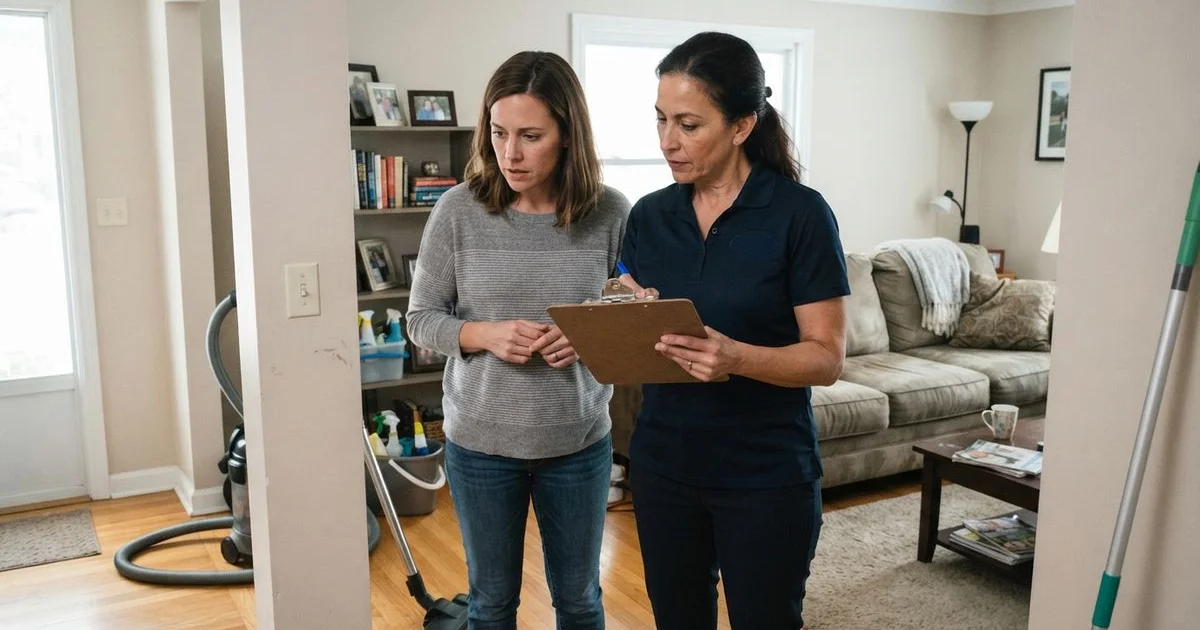
Walk-through inspections, common with companies that scope jobs carefully before quoting, also give you a chance to flag fragile or already-damaged items ahead of time, which removes ambiguity if a dispute comes up later.
A note on rented or short-term equipment damage
If a cleaning visit involves the company’s own equipment interacting with something you own but do not fully control, a rented appliance, a landlord-owned fixture, the liability question can get more complicated, since more than one party may have a stake in the outcome. In these cases, looping in whoever technically owns the item early, rather than after a dispute has already started, tends to produce a faster and less contentious resolution. For the standards this directory applies when evaluating listed companies, see how we rank.
FAQ
- Is a cleaning company responsible if they break something?
- In most cases, yes, if the company carries general liability insurance and the damage happened during the service. That is why confirming insurance before hiring matters more than it might seem.
- What should I do right away if I notice damage after a cleaning visit?
- Document it with photos immediately, note the date and time, and contact the company before doing any repairs yourself. Reporting quickly makes it much easier for their insurance to process a claim.
- What if the company denies causing the damage?
- Ask for their liability insurance information directly and, if they refuse or the item was clearly intact before the visit, you can file a complaint with the Better Business Bureau or pursue a small claims case for the repair or replacement cost.
- Does homeowners insurance cover damage caused by a cleaning company?
- Typically not for damage the cleaning company caused; that is the company's liability insurance's responsibility, not yours. Your own policy generally only applies to damage unrelated to a hired service provider's actions.