Is your cleaning company licensed and insured? What to check first
By Kai Ellis · Updated 2026-06-24
This is general information, not legal or insurance advice. Coverage terms and what they protect against can vary by policy, so review any certificate of insurance directly with the company if a specific concern applies to your situation.
“Bonded and insured” shows up in almost every cleaning company’s marketing, often without much explanation of what it actually means or protects against. It is worth understanding before you assume it is just a phrase.
Bonded and insured are two different things
A surety bond covers dishonest acts by an employee, most commonly theft, and pays out a claim if something goes missing during a cleaning visit and the company’s own resolution process fails. General liability insurance is different: it covers accidental property damage or injury that happens during the course of the work, a broken vase, a slip and fall, water damage from an equipment malfunction. A company can carry one without the other, so asking about both separately matters more than accepting the phrase at face value.
| Protection | What it covers | What it does not cover |
|---|---|---|
| Surety bond | Theft or dishonest conduct by an employee | Accidental damage, injuries |
| General liability insurance | Accidental property damage, injury during service | Theft, employee misconduct |
| Workers’ compensation | Injury to the cleaner while working in your home | Damage to your property |
Why this matters more than it seems
Without insurance, a cleaning company’s ability to make good on damage often comes down to goodwill rather than an enforceable process. A small, uninsured operation might genuinely intend to cover a mistake, but if the cost is significant, there may be little practical recourse if they decide not to. Insurance turns “the company said they’d handle it” into a documented claims process with a paper trail. See who is liable if a cleaning company damages your home for how that claims process actually plays out.
Workers’ compensation is a less obvious but real consideration. If a cleaner is injured in your home and the company does not carry it, a homeowner can, in rare cases, face exposure depending on the specifics of the situation. It is a reasonable question to ask alongside liability coverage.
How to actually verify it
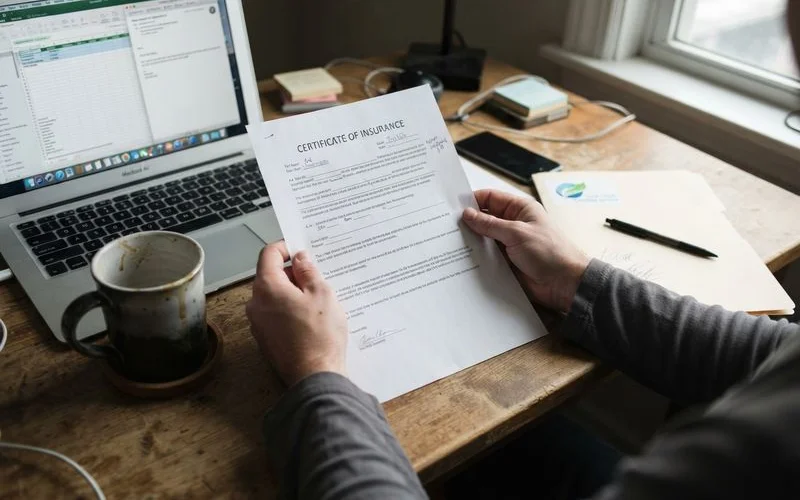
Asking “are you insured” and accepting a yes is not verification. Ask for a certificate of insurance, a standard document any legitimately insured business can produce, listing the carrier, policy number, and coverage limits. A company that hesitates, deflects, or cannot produce this on request is telling you something important, regardless of how confidently they answered the first question.
For an independent cleaner rather than a company, the same questions apply, just with lower odds of a yes. That is not automatically disqualifying if you decide the lower cost is worth the tradeoff, but going in with clear eyes about the added risk is the responsible way to make that call.
Red flags worth taking seriously
A company that cannot name their insurance carrier, gets defensive when asked, or offers a verbal assurance instead of documentation is worth a second look before booking. This pattern shows up in some of the more serious complaints on record: unresolved damage disputes and unclear accountability tend to trace back to a lack of real coverage in the first place, not a one-off bad interaction.
A word on smaller, independent cleaners
Choosing an independent cleaner over a larger company is not automatically the wrong call, and many independent cleaners do excellent, careful work. The tradeoff is usually about risk tolerance rather than quality: without a company structure behind them, an independent cleaner is less likely to carry formal liability insurance, and if something does go wrong, your options for recourse are narrower. That is a reasonable tradeoff for some households, particularly for lower-stakes routine cleaning, but worth going into with clear eyes rather than assuming the same protections exist either way.
Before you book
Make insurance verification a standard step, not an exception you reserve for expensive jobs. Companies listed in this directory are evaluated in part on the consistency and professionalism they bring to routine questions like this one; see how we rank for the full criteria, and visit the home page to compare listings across Columbia.
FAQ
- What does bonded and insured actually mean?
- Bonded means a surety bond backs a claim of theft or dishonest conduct by an employee. Insured usually refers to general liability coverage, which pays for accidental property damage or injury during the service. They cover different problems, and a company should be able to speak to both separately.
- Does South Carolina require cleaning companies to be licensed?
- There is no statewide occupational license specific to residential cleaning in South Carolina, though many municipalities require a general business license to operate. Bonding and insurance are separate from licensing and are the more meaningful protections to check.
- How do I verify a company's insurance is real?
- Ask for a certificate of insurance directly from them, which lists the carrier, policy number, and coverage limits. A legitimate company can provide this without hesitation; reluctance or vague answers are a warning sign.
- Are independent cleaners less safe to hire than companies?
- Not automatically, but many independent cleaners do not carry the same insurance a larger company does. That is not disqualifying on its own, but it does mean you are taking on more risk if something goes wrong, so ask the same questions either way.