Cleaning out a home after a death in the family
By Kai Ellis · Updated 2026-06-28
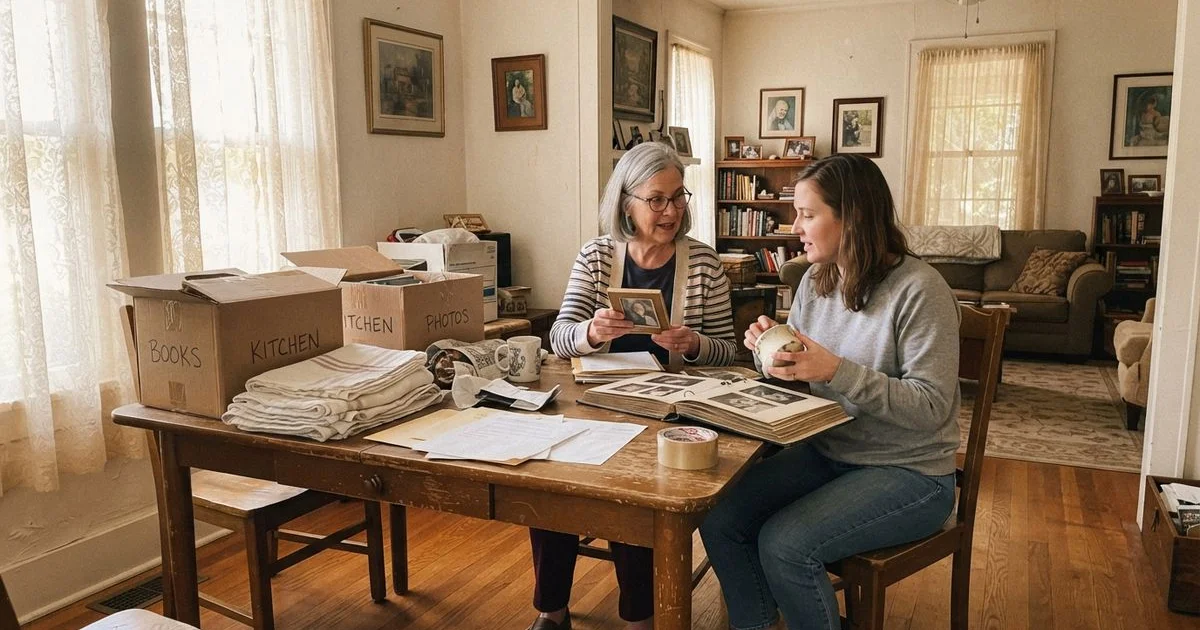
Cleaning out a loved one’s home after a death is one of the harder tasks that follows a loss, made harder by the fact that it usually cannot wait indefinitely, even when there is no emotional readiness for it.
There is usually more time than it feels like
Unless a lease, mortgage payment, or estate deadline is forcing action, most families have more flexibility than the urgency of grief suggests. Rushing through a home’s contents in a weekend because it feels like the responsible thing to do often leads to decisions that get second-guessed later. Where the timeline allows it, spreading the work over weeks rather than days tends to be easier on everyone involved.
Separating sorting from cleaning
These are two different kinds of work, and treating them as one task tends to overwhelm everyone. Sorting through belongings, deciding what to keep, donate, or let go of, is slow, personal work that only family can really do. Cleaning, the physical labor of the home itself, is work that a professional crew can take on once rooms are cleared, freeing family energy for the harder decisions. This same split, sorting versus cleaning, is also how families approach helping an aging parent downsize before a move.
| Task | Best handled by |
|---|---|
| Deciding what to keep, donate, or discard | Family members, at their own pace |
| Deep cleaning cleared rooms | Professional cleaning crew |
| Biohazard or specialized cleanup, if applicable | Specialized biohazard cleanup company only |
| Final walkthrough before sale or handoff | Professional cleaning crew |
When the situation involves more than standard cleaning
If a death occurred in the home and left behind bodily fluids or biological material, that work falls outside what a standard cleaning company is equipped or licensed to handle. Biohazard cleanup requires specific training, equipment, and disposal procedures that general house cleaners do not carry. If this applies to your situation, look specifically for a company that advertises biohazard or trauma cleanup, not a general residential cleaner, and treat this as a distinct decision from the rest of the cleanout.
Letting disagreements settle
It is common for family members to disagree about what should be kept, and grief tends to amplify small disagreements into larger ones. Slowing the pace, and not forcing every decision to happen on the same day as the physical cleaning, gives room for these disagreements to resolve more gently than trying to push through them under time pressure.
Bringing in professional help
Once personal belongings are sorted and rooms are cleared, a professional deep clean handles what is often physically and emotionally exhausting for family to do themselves after weeks of sorting: baseboards, closets, appliances, and floors that may not have been deep cleaned in years. This is also the stage where a full walkthrough clean matters most if the home is being prepared for sale or handed to a new owner.
Coordinating with an estate or realtor timeline
If the home is going to be sold or handed over as part of settling an estate, there is often a real deadline attached, an executor’s timeline, a closing date, or a lease obligation. It helps to loop in whoever is handling the estate process early, so the cleaning and sorting work lines up with when the home actually needs to be ready, rather than family discovering a hard deadline partway through. Building a rough week-by-week plan, even a loose one, tends to reduce the sense of being overwhelmed that this kind of project can create.
Handling belongings that are hard to categorize
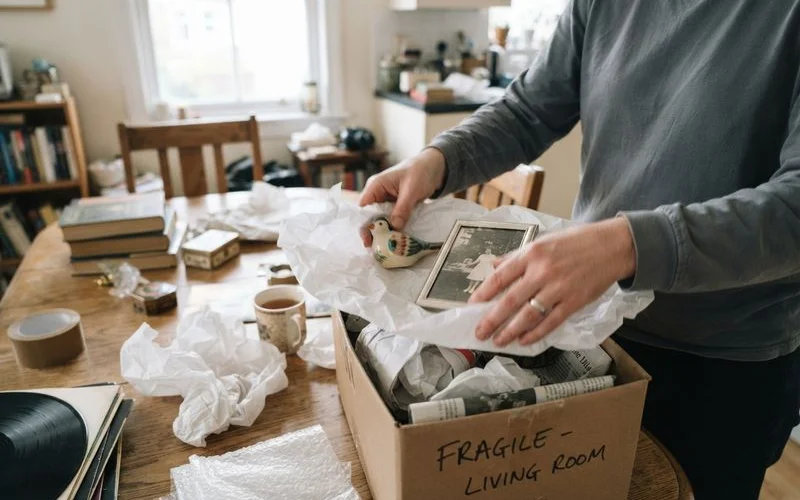
Not everything sorts cleanly into keep, donate, or discard. Photographs, letters, and items with unclear sentimental weight to different family members often need their own slower process, sometimes set aside in a labeled box to revisit later rather than forcing an immediate decision. Giving yourself permission to defer some decisions, rather than resolving everything in one pass, is a reasonable and common approach.
For families ready to bring in help, this directory’s home page lists cleaning companies serving the Columbia area, and how we rank explains how those listings are evaluated. Take this step whenever it feels right, there is no correct timeline for reaching out.
FAQ
- Is there a rush to clean out a home after a death?
- Usually not, unless a lease, estate sale deadline, or mortgage obligation forces a timeline. Most families do better giving themselves more time than they think they need, since decisions made too quickly are often regretted later.
- Should we hire an estate cleanout company or do it ourselves?
- It depends on the home's condition and how much family bandwidth exists. A professional cleanout and cleaning service can handle the physical labor, which frees family members to focus on sorting sentimental items rather than hauling and scrubbing.
- What if the home needs cleaning beyond normal tidiness, like biohazard situations?
- If the death occurred in the home and cleanup involves bodily fluids or biological material, that is specialized biohazard cleanup, not standard cleaning, and requires a company trained and equipped for it.
- How do we handle disagreements among family members about what to keep?
- Slowing down and separating the sorting phase from the cleaning phase helps. Decisions about belongings do not need to happen at the same pace as the physical cleaning, and giving disagreements room to settle usually produces less regret than rushing to a decision.