Biohazard cleanup: safety basics before you call for help
By Kai Ellis · Updated 2026-07-06
This is general information, not medical or safety advice. If you are dealing with an active biohazard situation, prioritize contacting a licensed professional and, for any potential health exposure, a medical provider, rather than relying on this guide alone.
Biohazard situations are rare for most households, but when they happen, understanding what makes them different from ordinary mess matters for staying safe until help arrives.
What actually counts as a biohazard
Blood, bodily fluids, and other biological material, whether from an accident, an unattended death, or a serious illness in the home, fall into this category. Some hazardous chemical spills also qualify. What separates these situations from a normal cleaning job is the real risk of exposure to bloodborne pathogens or other infectious material, not just an unpleasant mess to clean up.
| Situation | Standard cleaning appropriate | Biohazard cleanup needed |
|---|---|---|
| General dirt, grime, everyday mess | Yes | No |
| Pet accidents, typical household spills | Yes | No |
| Blood or bodily fluids from an accident or death | No | Yes |
| Unattended death cleanup | No | Yes |
| Hazardous chemical spill | No | Often, depending on the substance |
Why this is not a DIY situation
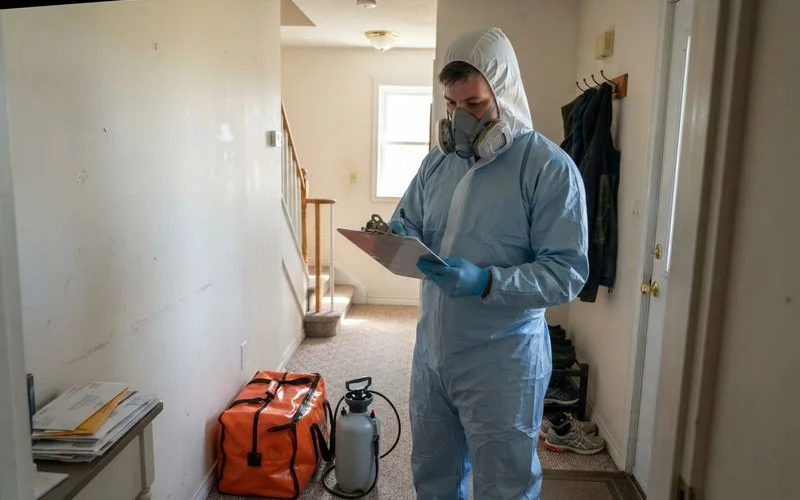
Bodily fluids can carry pathogens that pose a genuine infection risk, and proper handling requires personal protective equipment, specific decontamination chemicals, and regulated disposal procedures for the contaminated materials. A regular cleaning crew, even a very good one, is not trained or equipped for this work, and attempting it without that training puts anyone involved at real risk. This is exactly the gap a licensed biohazard cleanup company is built to fill.
What to do while you wait for help
If you discover a situation that needs biohazard cleanup, the most important steps are ones of caution, not action. Keep the area sealed off from children, pets, and anyone else in the household. Avoid touching or attempting to clean anything yourself, even with gloves, since proper decontamination requires more than basic protective equipment. If there is any chance you were exposed to blood or bodily fluids directly, wash the contact area thoroughly and avoid further contact with the site until it has been professionally addressed.
How it differs from a deep clean or hoarding cleanup
A deep clean addresses buildup, grime, and neglected surfaces, none of which pose an infectious risk. Hoarding cleanup can sometimes involve biohazard-level contamination in severe, long-term cases, but the two are not the same thing: a hoarding situation without biological contamination is still a specialized job, but not necessarily a biohazard one. If you are unsure which category your situation falls into, describe what you are seeing honestly to a cleanup company; a legitimate one will ask clarifying questions rather than quoting blindly. The same “when does regular cleaning stop being enough” question comes up in far less extreme situations too, like mold and mildew that keeps recurring.
What proper cleanup actually involves
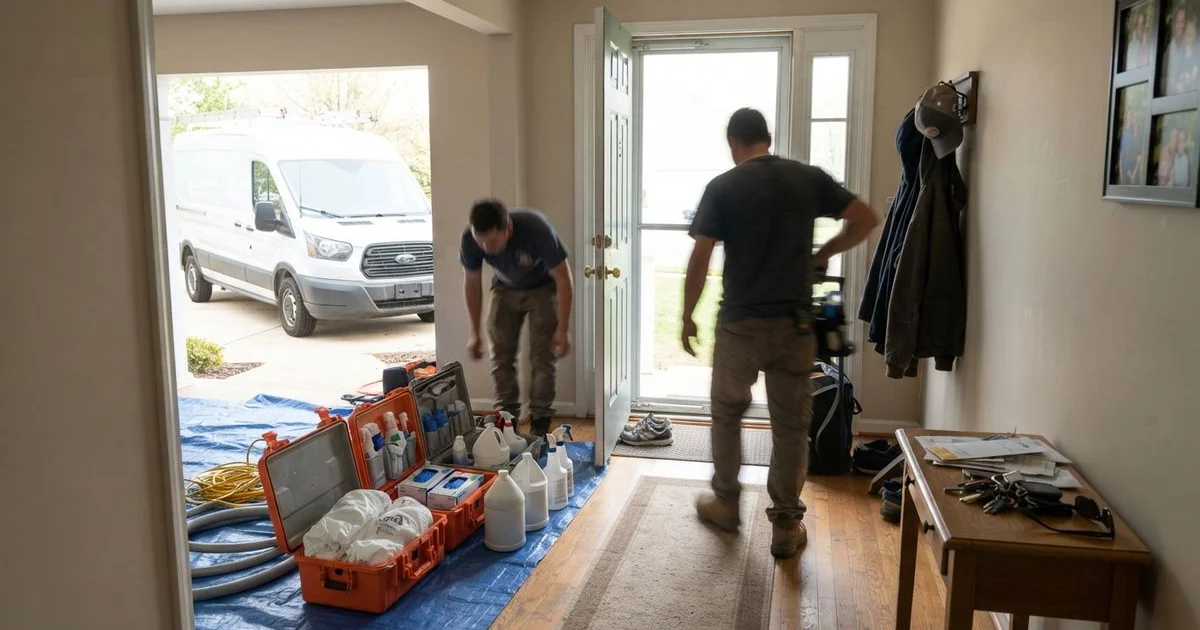
A licensed biohazard company follows a process built around containment first, then decontamination, then disposal. The affected area gets sealed off before any work begins, to prevent spread to unaffected parts of the home. Contaminated materials, flooring, drywall, fabric, are often removed and disposed of through regulated medical waste channels rather than a standard trash pickup, since bloodborne pathogens require specific handling under health regulations. Only after contaminated materials are removed does the crew begin the deeper disinfection of surfaces, walls, and any remaining fixtures in the space.
Cost expectations
Biohazard cleanup typically costs more than even a heavy-duty deep clean, since it involves specialized equipment, protective gear, regulated waste disposal fees, and sometimes structural repair if materials like flooring or drywall had to be removed. The exact range depends heavily on the size of the affected area and how much material needs replacement, which is why a company will usually want to assess the situation in person before quoting a firm number rather than estimating over the phone.
Finding the right help
Look specifically for a company that advertises biohazard, trauma, or crime scene cleanup, since this requires licensing and training that a standard residential cleaner does not carry. A general cleaning company, even one experienced with heavy-duty deep cleaning, is not automatically equipped for biological contamination, so ask directly rather than assuming a heavy-duty service extends to this. This directory’s home page is a place to start that search, and how we rank explains the standards used to evaluate listed companies.
FAQ
- What situations count as biohazard cleanup?
- Blood, bodily fluids, and other biological material from an accident, unattended death, or a significant illness in the home are the most common triggers. It also covers some situations involving hazardous chemical spills or contamination.
- Can I clean up a biohazard situation myself?
- It is strongly discouraged. Bodily fluids can carry bloodborne pathogens that pose a real infection risk without proper protective equipment, training, and disposal procedures, which is exactly what a licensed biohazard cleanup company provides.
- How is biohazard cleanup different from a deep clean?
- A deep clean addresses dirt, grime, and buildup. Biohazard cleanup addresses contamination that poses an actual health risk, requiring specific decontamination procedures, personal protective equipment, and regulated disposal of hazardous waste.
- What should I do while waiting for a professional to arrive?
- Keep the area sealed off from pets and family members, avoid touching or cleaning anything yourself, and if there is any risk of exposure to blood or bodily fluids, wash any contact area thoroughly and avoid further contact with the site.