
Post-construction cleanup: what is included and what it takes
By Kai Ellis · Updated 2026-07-11
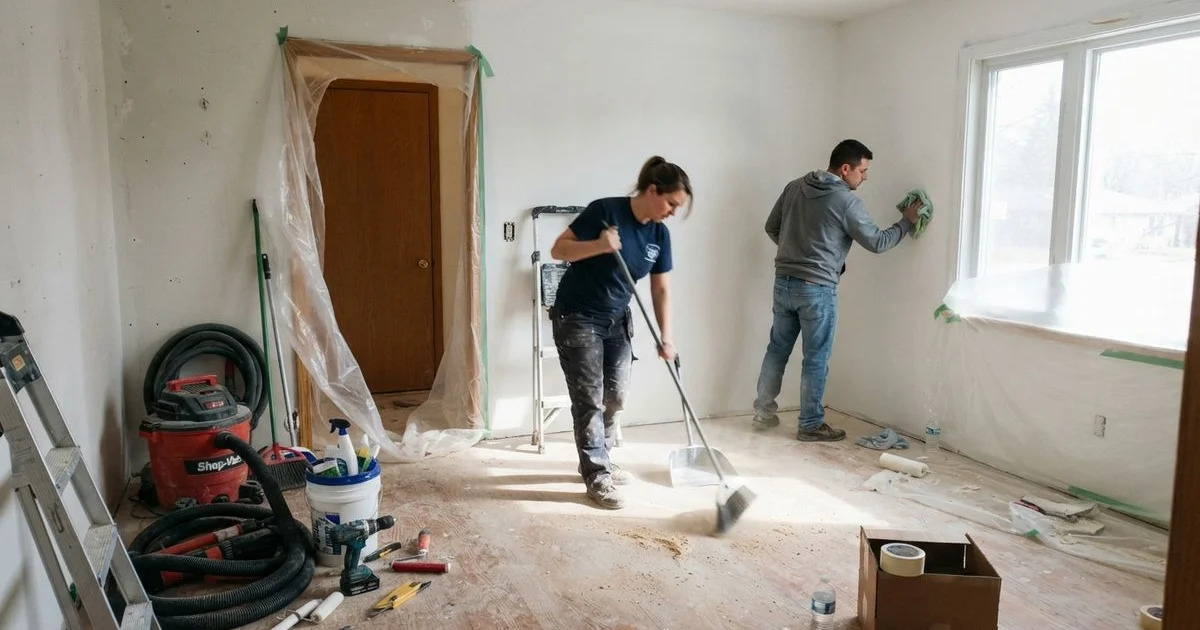
Construction dust is not like everyday household dust. It settles into places regular cleaning never has to reach, and a proper post-construction cleanup is built around that difference.
What construction dust actually does to a space
Renovation and construction work generate fine particulate dust that travels further and settles deeper than typical household dust. It gets into HVAC vents, light fixture housings, the tops of cabinets, and the crevices of hardware and trim. A standard cleaning pass, even a thorough one, is not scoped to dig into all of these spots, which is why post-construction cleanup is its own category of service rather than an extension of a regular deep clean.
| Task | Typical deep clean | Post-construction cleanup |
|---|---|---|
| Surface dusting | Yes | Yes, more extensive |
| Debris and material removal | No | Yes |
| Vent and fixture dust removal | Rarely | Yes |
| Window and window track detailing | Sometimes | Yes, construction dust settles heavily here |
| HEPA-filtered vacuuming | No | Often, for fine particulate removal |
What a thorough job includes
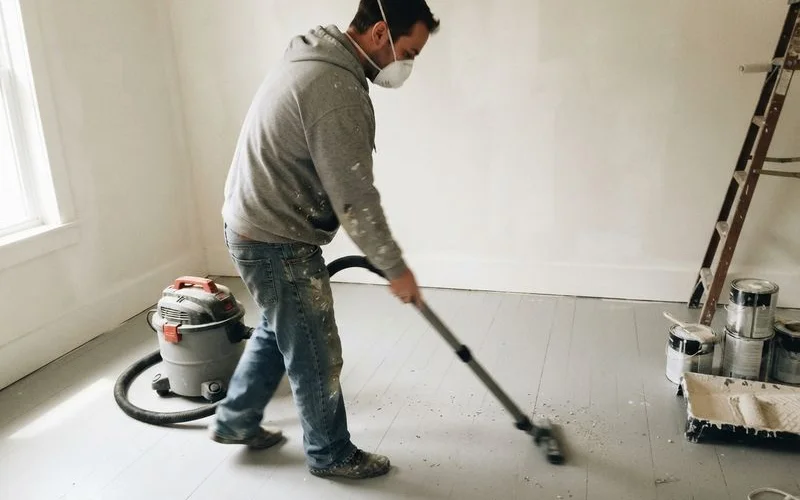
Beyond visible dust, a proper post-construction clean removes leftover debris and packaging material, wipes down every surface including ceilings and the tops of cabinets where dust settles unseen, and pays close attention to windows and window tracks, which tend to collect a surprising amount of construction dust during a project. Many companies use HEPA-filtered vacuums specifically because standard vacuums can recirculate fine dust back into the air rather than capturing it.
How long it realistically takes
A full home renovation typically needs one to three days of cleanup, depending on square footage and how much fine dust has accumulated in vents, corners, and fixtures over the course of the project. A single-room renovation, a kitchen or bathroom remodel, is usually a matter of hours rather than days. Projects involving significant demolition or drywall work tend to run longer than cosmetic updates, since demolition generates noticeably more fine dust than finish work.
Timing it around your contractor
Most homeowners schedule the deep cleanup after the contractor’s final walkthrough, once any remaining touch-ups or punch-list items are done. Cleaning before that point often means doing the job twice, since additional construction work can undo cleaning that already happened. Coordinating directly with both your contractor and cleaning company on timing avoids this overlap.
Spotting a rushed job
A quick surface wipe-down that skips vents, fixture housings, and window tracks is the fast version of this job, not the thorough one. If a company’s quote does not mention these areas specifically, ask directly whether they are included. This is one of the more common gaps between what homeowners expect from “post-construction cleanup” and what a lower-cost provider actually delivers.
Getting an accurate quote
Because the amount of dust and debris varies so much project to project, a firm quote usually requires the company to see photos or, ideally, the space itself before finalizing a price. A phone quote based only on square footage tends to be a rough estimate at best, since a full gut renovation generates far more cleanup work than a cosmetic refresh of the same size. Sharing details about what kind of work was done, drywall, flooring, painting, demolition, helps a company scope the job more accurately upfront.
Coordinating access and utilities
Make sure water and electricity are active and accessible before the cleaning crew arrives, since both are usually needed for the job. If the renovation involved shutting off utilities to part of the home, confirm they are restored ahead of the scheduled visit. Clear communication about which areas are finished and safe to clean versus which still have active work happening also avoids wasted time or the crew accidentally undoing a contractor’s remaining touch-ups.
Finding the right company
Companies within the deep cleaning and post-construction category specialize in this kind of work and are generally better equipped for it than a general residential cleaner. This directory’s home page lists options across Columbia, and how we rank explains the criteria used to evaluate them.
FAQ
- What is included in post-construction cleanup?
- A thorough job covers dust removal from every surface including ceilings and light fixtures, debris hauling, window and window track cleaning, and detailed cleaning of floors and cabinetry that construction dust settles into over the course of a project.
- How long does post-construction cleanup take?
- For a full home renovation, one to three days is typical depending on square footage and how much fine dust has settled into corners, vents, and fixtures. A single-room renovation is usually a matter of hours.
- Is post-construction cleanup different from a regular deep clean?
- Yes, meaningfully. Construction generates a specific kind of fine dust that settles into vents, light fixtures, and crevices a normal deep clean does not target, and it often requires specialized equipment like HEPA-filtered vacuums to fully remove it.
- Should the cleanup happen before or after the final walkthrough with contractors?
- Most homeowners schedule cleanup after the contractor's final walkthrough, so any remaining construction touch-ups happen before the deep clean, rather than cleaning twice.
Related on this site
- Browse deep cleaning & post-construction cleanup providers
- Deep cleaning vs standard cleaning: what is actually different
- Hoarding cleanup: what families should know before hiring help
- Cleaning your home before selling: what buyers notice
- Emergency cleaning after water damage or a storm: what to do first
- All guides →